 Bahasa inggris
 CN
CN 86-573-88890126
A cover that fails in the first hard rain costs more than the tarp itself once you count the damaged cargo underneath it. This guide breaks down what coated tarpaulin fabric is made of, how its layers actually protect what's underneath, and what specifications to check before ordering for transport, construction, or storage use.
What Is Coated Tarpaulin Fabric?
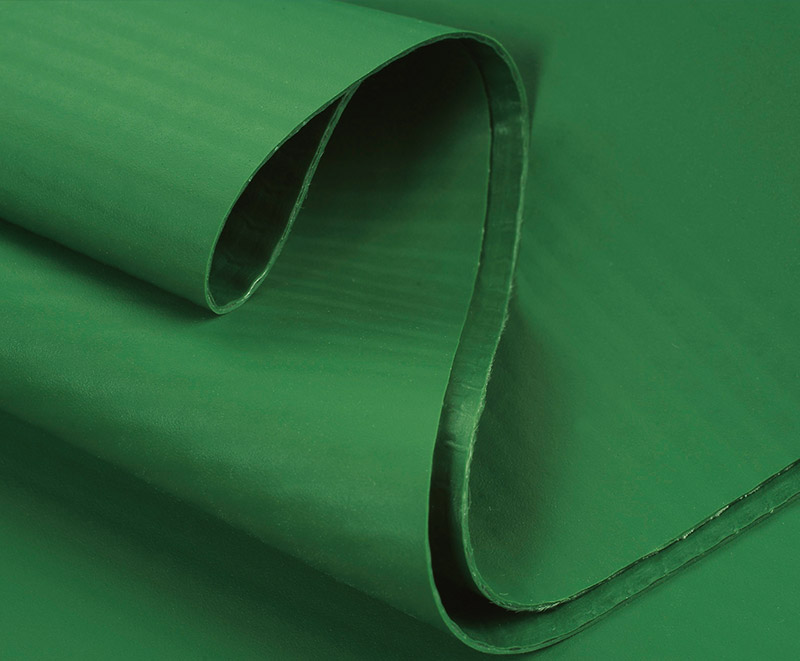
Coated tarpaulin fabric is a woven textile, typically polyester, PVC, or PE based, that has been coated with a polymer layer to add waterproofing, UV resistance, and abrasion protection on top of the base fabric's mechanical strength. The combination of a strong woven core and a protective coating is what makes it suitable for long-term outdoor exposure.
Definition: Coated tarpaulin fabric is a flexible protective material made by applying a polymer coating, such as PVC, PU, or PE, onto a woven fabric base to create a waterproof, weather-resistant covering material for industrial and outdoor use.
The base fabric alone would tear and absorb water quickly. The coating alone would crack without a woven structure behind it. Performance comes from the two layers working together, which is why coating thickness and base fabric density both belong on a buyer's checklist, not just one or the other.
How Coated Tarpaulin Fabric Works
Each layer of the fabric plays a different role in keeping what's underneath dry and intact.
- Base Fabric SupportThe woven fabric core provides the tensile strength, flexibility, and structural stability the material needs to resist tearing.
- Coating ProtectionThe polymer coating forms a barrier that blocks water penetration, dust, and environmental contamination.
- Surface ProtectionAdditional surface treatments improve UV resistance, abrasion resistance, and overall weather durability.
- Industrial Protection ApplicationThe finished fabric is fabricated into covers, curtains, and sheets for transportation, construction, and storage use.
Key Advantages Worth Evaluating
- Waterproof protection: Blocks moisture penetration to keep goods and equipment dry in all weather.
- Mechanical strength: Woven structure resists tearing, abrasion, and damage during handling.
- Weather resistance: Holds up against rain, sun, wind, and temperature swings over long-term outdoor use.
- UV stability: Coating additives slow material aging, fading, and surface degradation.
- Easy maintenance: Smooth, dirt-resistant surface simplifies cleaning and extends usable life.
Coated Tarpaulin Fabric vs Traditional Fabric Materials
The coating is what turns a general textile into a dedicated protective material.
Traditional Fabric Material
Provides basic textile function but is easily affected by moisture and sunlight, often requiring separate protective treatment for any outdoor or industrial use.
Coated Tarpaulin Fabric
Delivers integrated waterproofing, weather resistance, and durability in a single material, built specifically for transportation, construction, and industrial protection.
Where Coated Tarpaulin Fabric Is Used
Coating type and fabric weight are usually chosen based on how the cover will be used day to day.
| Transportation | Truck covers, trailer curtains, cargo sheets | Protects goods from moisture during transit |
| Construction | Site covers, temporary shelters | Shields materials and equipment from weather exposure |
| Agriculture | Grain covers, greenhouse coverings | Supports outdoor farming operations year-round |
| Industrial Storage | Machinery covers, warehouse protection | Prevents dust and moisture damage to stored equipment |
| Marine and Outdoor | Boat covers, recreational shelters | Withstands long-term exposure to sun and moisture |
How to Choose a Supplier
Before ordering coated tarpaulin fabric in bulk, evaluate the manufacturer's coating process and testing standards, not just fabric weight on a spec sheet.
Match the coating and fabric weight to your exposure conditions first. Waterproof pressure rating, tear strength, and UV resistance should be checked against your actual use case, not assumed from a general product listing.
- Application fit: Usage environment and expected service life determine the right fabric weight and coating type.
- Technical documentation: Waterproof rating, tensile strength, and UV resistance should be clearly specified and tested.
- Production capacity: A supplier with proven manufacturing scale can support both sample runs and large orders.
- Customization ability: Thickness, color, coating type, and flame-retardant properties often need project-specific adjustment.
Quick Reference Checklist
Before ordering, confirm the fabric weight and coating type suit your exposure conditions, the tear strength matches your handling requirements, the UV resistance covers your expected outdoor duration, and the supplier can document waterproof and tensile test results.